
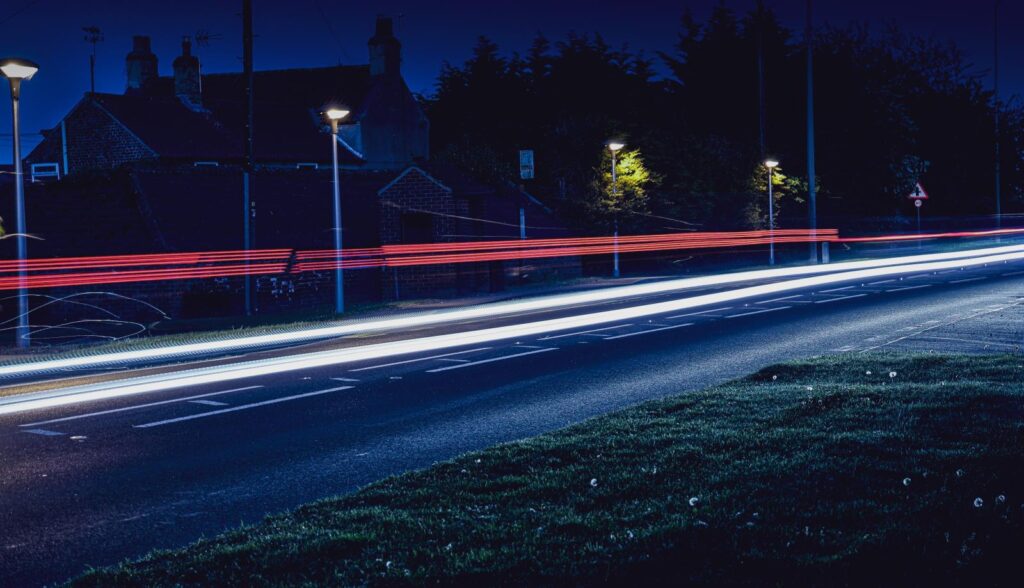
A ground-breaking national project led by the East Riding aiming to cut energy and carbon emissions in street lighting along roads has proved a big success and is now being rolled out across the area.
Following a £3.3m award from the Department for Transport, East Riding of Yorkshire Council led a three-year study into more environmentally friendly ways of illuminating main roads as new car headlights make some lampposts obsolete.
Now, thanks to the achievements of the pilot, the council has been awarded a further £2m from the Hull and East Yorkshire Combined Authority to expand the project into more local roads.
The East Riding led nine other authorities in England, Wales, Scotland and Northern Ireland in the pilot scheme investigating street lighting with the goal of setting a new British Standard for councils across the country.
In this area, the testing involved safely switching off street lighting along various lengths of two of the area’s busiest roads, the A164 and the A1079, and instead installing new reflecting road studs, improved signs, brighter white lines and lighting specifically for pedestrians.
After a year monitoring driver behaviour and safety, the results showed:
- driver speeds reduced by 10%,
- night-time collisions were reduced by a third,
- the changes made no negative impact on driver behaviour.
The project is now on track to reduce carbon emissions by 160 tonnes and save £1.2m of public money over the next 10 years.
The initiative has won 10 industry awards in the past year for its carbon reduction, green innovation and project management.
The council has now identified a further 54 sites on A roads across the East Riding – not residential roads – which could see lights being switched off, and alternatives installed such as brighter white lines and pedestrian-only lighting.
The new three-year programme will see 2,500 street lights being turned off in order to cut 500 tonnes of carbon emissions and save £5m of public money over the next 10 years.
For more on the project visit eryc.link/livelabs2